2026 Call for Young Researchers and Innovators

🌟 Calling All Young Innovators: Present Your Genome Editing Research Internationally!

GenE-HumDi nurtures visibility of Young Scientist and Innovators by supporting their presence in international forums.

Are you a young researcher or innovator under the age of 40? Do you have exciting findings in genome editing that you want to share with the global scientific community? GenE-HumDi is here to help you get there!

We are thrilled to announce the open call for the 2026 Young Researcher and Innovator (YRI) Conference Grants. These grants are specifically designed to empower the next generation of scientists by providing financial support to attend and present at high-level international conferences.

What’s in it for you?
  • Successful applicants can receive up to €2,000 in funding*. This grant acts as a contribution toward your:
    • Travel expenses.
    • Accommodation and meals (subsistence).
    • Conference registration fees.
    • Poster printing and other relevant costs.

*Proposals could be shortlisted based on evaluation scores to match funding constrains.

Is your research a match?

While we welcome all work related to genome editing, we are particularly interested in projects focusing on:

  • Off-target prediction and specificity.
  • Omics studies (transcriptomics, proteomics, etc.).
  • Clinical translation and regulatory governance.
  • Industry and patent challenges.
Important Dates to Remember

The GeneHumdi Grant Awarding committee will assess each proposal Application Period: This is an open call—you can apply at any time before August!

Conference Dates: Your chosen conference must take place between January 2026 and July 2026.

How to Apply

To be eligible, you must be under 40 and affiliated with a legal entity in a COST Member Country, NNC, or European RTD Organization. Applications should be submitted through the e-COST portal, ensuring your work aligns with the scientific goals of the Action.

Don’t miss this chance to boost your visibility and network with experts in your field!

Question and inquiries:

Please contact GeneHumdi:

2026 ITC Conference Grants

🧬 Opportunity Alert: Present Your Genome Editing Research Internationally!

📢 Call for Applications: ITC Conference Grants for the COST Action 4th period!

GenE-HumDi nurtures connections between EU scientist and international talent!

Are you a researcher or innovator working on the cutting edge of genome editing? Do you have an oral presentation accepted at a major upcoming conference? GeneHumdi (COST Action CA21113) is thrilled to announce that applications are now open for our Inclusiveness Target Countries (ITC) Conference Grants for Grant Period 4

What is the ITC Conference Grant?

These grants are designed to support researchers affiliated with institutions in Inclusiveness Target Countries (ITC) or Near Neighbour Countries (NNC) participating in our Action. The goal is to help you gain international visibility by presenting your work at high-level third-party conferences (those not organized by GeneHumdi).

Key Details:
  • Availability: Several grants are available for this period.
  • Funding: Successful applicants can receive a contribution of up to 1,000 Euros to help cover travel, accommodation, subsistence, and registration fees.

Eligible Conference Dates: Your conference must take place between January 2026 to July 2026

Are You Eligible?

To apply, you must meet the following criteria:

  • Your primary affiliation must be in an ITC or NNC country participating in GeneHumdi.
  • You must be officially listed in the conference program to deliver an oral presentation.
  • Your work must be directly relevant to genome editing and aligned with the scientific objectives of the GeneHumdi Action.
How to Apply

This is an open call, meaning you can submit your application at any time during GP4. However, you must submit your request via the e-COST system at least 30 days before the conference starts.

Your application should include:

  1. The ITC Conference Grant application form.
  2. An abstract of your accepted oral presentation.
  3. Your official acceptance letter from the conference organizers.
  4. An up-to-date CV.
  5. A justified budget estimation.
  6. Optional but recommended: A pre-recorded presentation (PPT) briefly explaining your work.

After the Conference

Once you’ve shared your research with the world, there are just a few final steps to receive your grant, including submitting a scientific report, a certificate of attendance, and a short blog post or video about your experience. Check full regulations in the PDF below.

Ready to take your research to the global stage?

Log in to e-COST to start your application today! For specific inquiries, feel free to reach out to our Grant Holder Manager.

2026 Virtual Mobility Grant Call

🌐 Go Digital with GeneHumdi: Virtual Mobility Grants Now Open!

GenE-HumDi promotes synergistic connections and development of joint tools for the digital era!

The GenE-HumDi Action is excited to announce a new call for Virtual Mobility (VM) Grants! If you are passionate about virtual collaboration and want to help build the next generation of multimedia training materials for genome editing, this opportunity is for you.

Why apply for a virtual mobility grant?

Unlike traditional travel grants, VM grants are designed to support online activities that foster collaboration and knowledge sharing across our network. Whether you are developing a new computational pipeline or organizing a virtual workshop, these grants provide the resources to make it happen.

What kind of projects are we looking for?

We are seeking proposals that align with the Action’s scientific priorities, specifically in these areas:

  • Off-target prediction: Tools and modeling for genome editing accuracy.
  • Innovative Delivery: Digital modules on LNPs, extracellular vesicles, and delivery technologies.
  • Data Integration: Strategies to improve validation and prediction accuracy.
  • Capacity Building: Virtual training schools and shared computational resources.
This Call in a nutshell

Max Funding: €1,500 per grant.

Timeline: Activities must be carried out between January and July 2026.

Application Deadline: 31 January 2026.

Eligibility: Open to researchers affiliated with institutions in COST Full/Cooperating Member Countries, NNCs, or European RTD Organisations

Get started

To apply, head over to the e-COST portal and submit your application package, which should include:

Your Short CV.

A Project Summary and detailed description of planned activities.

A clear Timeline for your project.

Expected Output (e.g., tutorials, online modules, or pipelines).

Note: This is a rolling evaluation—you will receive a notification of results within two weeks of your submission, so don’t wait until the deadline!

Question and inquiries:

Please contact GeneHumdi:

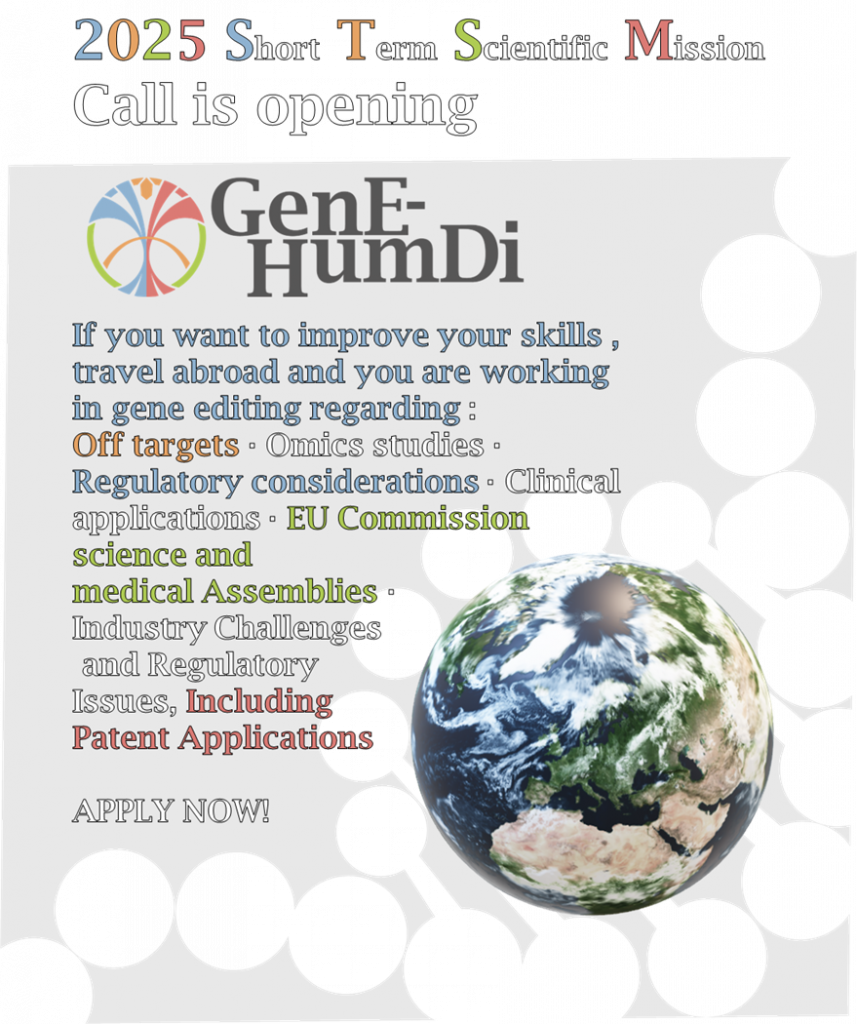
2026 Call for Short-Term Scientific Mission(STSMs) applicants

New GenE-HumDi Call for applications for Short-Term Scientific Missions (STSMs) funded by the COST Action CA21113 “Genome Editing to Treat Humans Diseases” (GenE-Humdi) CA21113.

Why do we encourage Short-Term Scientific Missions (STSM) within the framework of the GenE- HumDi COST Action?

The board of GeneHumdi is pleased to announce the availability of Short-Term Scientific Missions (STSMs) through the COST Action program and encourages researchers to apply. These missions offer researchers the opportunity to conduct short visits to research institutions or laboratories in other COST countries, with the aim of strengthening existing networks and fostering collaboration. STSMs also provide researchers with the chance to learn new techniques or use equipment, data, and/or methods that may not be available in their own institution, while contributing to the scientific objectives of the Action. We strongly urge interested researchers to take advantage of this unique opportunity to expand their scientific knowledge and contribute to the advancement of their respective fields.

Participants in the COST Action program’s Short Term Scientific Missions (STSMs) have a great opportunity to focus their work on research topics that have been highlighted by GenE-Humdi’s 8 Working Groups (WGs) or to introduce new ideas that address the objectives of the project. We encourage researchers to take advantage of this opportunity to enhance their scientific knowledge and contribute to the advancement of their respective fields. (Details on the content and goals of WGs is available in the Action’s Memorandum of Understanding (MoU).

Guidelines for applicants:
  • GenE-Humdi’s Short Term Scientific Missions (STSMs) consist in financial support for researchers under 40 traveling to laboratories abroad for training purposes. Grantees are responsible for making their own arrangements for travel, accommodation, and other logistics.
  • For the current call: STSMs must be completed within the 31st of July 2026. While there is no maximum duration for visits, the minimum visit should be at least 5 days, including travel time.
  • The deadline for submitting applications is January 5th, 2026.
  • During this period, STSM grants are awarded up to a maximum of 4,000€, depending on the location and duration of the visit. Applicants are encouraged to review the Annotated Rules for COST Actions and to request an amount that is commensurate to the planned length of their visit.
  • The STSM travel grants are open to researchers and innovators who are associated with a legal entity in a COST Full/Cooperative Member, Near Neighbour Country, or European RTD.
Application instructions:
  1. To apply for an STSM, applicants must utilize the e-COST management tool. It is mandatory for all applicants to possess an e-COST profile.
  2. To apply for an STSM, the applicant must utilize the e-COST management tool to submit their request. Along with the necessary information provided on the website, applicants are required to upload specific documents in a single PDF file:
    • A brief CV that highlights recent publications.
    • The STSM proposal outlining the research objectives and methodology.
    • The requested budget in euros.
    • A confirmation letter from the host institution.
    • Applicants who require further information on the submission process via the e-COST system can refer to the Grant Awarding User Guide.
    • After completing the STSM, the recipient must submit a brief report outlining the results of their visit. The report must be submitted no later than 30 days following the end date of the STSM, or 15 days after the end of the Grant Period, whichever comes first. It is important to note that if the report is not submitted on time, the grant will be revoked. Once the report has been approved, the grant payment is expected to be processed within 30 days.
Evaluation of applications:

The GeneHumdi Grant Awarding committee will assess each proposal individually and provide an evaluation score based on several factors. These factors include:

  1. The clarity of the proposal.
  2. The degree to which the proposed STSM complements or contributes to the strategic priorities and objectives of the Action as defined in the MoU and align with the Preferential Topics of the call.
  3. The feasibility of the planned work plan and outputs, and the ability of the STSM applicant to successfully complete the proposed STSM and disseminate relevant outputs.

It is important that the proposal clearly demonstrates how the proposed STSM will benefit both the applicant and the Action.

The proposal will be categorized based on its evaluation score, within 5 categories:

  1. Poor: (0-25): The proposal will be considered poor if it is unsound, incomprehensive, and lacks clear links to any of the WGs
  2. Fair: (26-50): A proposal with limited understanding, unclear objectives, and weak linkage to at least one Working Group
  3. Good: (51-75): A proposal is one that is well-linked to at least one WG and needs input to develop feasible STSM
  4. Excellent: (76-100): well-thought-out plan with clear feasibility and expected outcomes. It is highly relevant to at least one of the WGs

The top four proposals with the highest scores will be awarded the STSM grants.

Prioritary Topics

Funded STSM must align with at least one (or more) of the following topics:

  • 1.     Specificity and Off-Target Prediction in Genome Editing Tools
    • Comparative studies on the specificity of various genome editing tools and advanced methods for off-target prediction and validation.
  • 2.     Omics Studies in Genome Editing
    • Research involving transcriptomics, proteomics, and related omics technologies to explore genome editing mechanisms and effects.
  • 3.     Regulatory Considerations for Human Genome Editing
    • Examination of regulatory frameworks and guidelines, focusing primarily on clinical applications of genome editing.
  • 4.     Clinical Applications of Genome Editing
    • Investigations into the use of genome editing technologies in clinical settings, including therapeutic approaches and translational studies.
  • 5.     Scientific and Medical Assemblies at the EU Commission
    • Participation in assemblies or meetings focused on genome editing within the framework of the European Commission.
  • 6.     Industry Challenges and Regulatory Issues, Including Patent Applications.
    • Exploration of challenges in industry, regulatory compliance, and intellectual property protection related to genome editing.
Question and inquiries:

Please contact GeneHumdi:

SECOND 2025 GeneHumdi Call for Short-Term Scientific Missions (STSMs)

Our Second 2025 Call for applications for Short-Term Scientific Missions (STSMs) funded by the COST Action CA21113 “Genome Editing to Treat Humans Diseases” (GenE-Humdi) CA21113 is opening March 2025.

Why do we encourage Short-Term Scientific Missions (STSM) within the framework of the GeneHumdi COST Action?

The board of GeneHumdi is pleased to announce the availability of Short-Term Scientific Missions (STSMs) through the COST Action program and encourages researchers to apply. These missions offer researchers the opportunity to conduct short visits to research institutions or laboratories in other COST countries, with the aim of strengthening existing networks and fostering collaboration. STSMs also provide researchers with the chance to learn new techniques or use equipment, data, and/or methods that may not be available in their own institution, while contributing to the scientific objectives of the Action. We strongly urge interested researchers to take advantage of this unique opportunity to expand their scientific knowledge and contribute to the advancement of their respective fields.

Participants in the COST Action program’s Short Term Scientific Missions (STSMs) have a great opportunity to focus their work on research topics that have been highlighted by GenE-Humdi’s 8 Working Groups (WGs) or to introduce new ideas that address the objectives of the project. We encourage researchers to take advantage of this opportunity to enhance their scientific knowledge and contribute to the advancement of their respective fields. (Details on the content and goals of WGs is available in the Action’s Memorandum of Understanding (MoU).

Guidelines for applicants:
  • Individuals are supported financially with travel grants for four Short Term Scientific Missions (STSMs) offered by GenE-Humdi. Grantees are responsible for making their own arrangements for travel, accommodation, and other logistics.
  • STSMs must be completed within the 3rd Grant Period of the Action, which ends in October 2025. While there is no maximum duration for visits, the minimum visit should be at least 5 days, including travel time.
  • The deadline for submitting applications is April 30th, 2025.
  • During this period, STSM grants are awarded up to a maximum of 2,000€. Applicants are encouraged to review the Annotated Rules for COST Actions.
  • The STSM travel grants are open to researchers and innovators who are associated with a legal entity in a COST Full/Cooperative Member, Near Neighbour Country, or European RTD. While all eligible candidates are welcomed, young researchers and innovators under the age of 40 are particularly encouraged to participate.
Application instructions:
  1. To apply for an STSM, applicants must utilize the e-COST management tool. It is mandatory for all applicants to possess an e-COST profile.
  2. To apply for an STSM, the applicant must utilize the e-COST management tool to submit their request. Along with the necessary information provided on the website, applicants are required to upload specific documents in a single PDF file:
  • A brief CV that highlights recent publications.
  • The STSM proposal outlining the research objectives and methodology.
  • The requested budget in euros.
  • A confirmation letter from the host institution.
  • Applicants who require further information on the submission process via the e-COST system can refer to the Grant Awarding User Guide.
  • After completing the STSM, the recipient must submit a brief report outlining the results of their visit. The report must be submitted no later than 30 days following the end date of the STSM, or 15 days after the end of the Grant Period, whichever comes first. It is important to note that if the report is not submitted on time, the grant will be revoked. Once the report has been approved, the grant payment is expected to be processed within 30 days.
Evaluation of applications:

The GeneHumdi Grant Awarding committee will assess each proposal individually and provide an evaluation score based on several factors. These factors include:

  1. The clarity of the proposal.
  2. The degree to which the proposed STSM complements or contributes to the strategic priorities and objectives of the Action as defined in the MoU.
  3. The feasibility of the planned work plan and outputs, and the ability of the STSM applicant to successfully complete the proposed STSM and disseminate relevant outputs.
  4. Members who apply for the first time, and members who did not enjoy STSM previously take priority over past STSM grantees.

It is important that the proposal clearly demonstrates how the proposed STSM will benefit both the applicant and the Action.

The proposal will be categorized based on its evaluation score, within 5 categories:

  1. Poor: (0-25): The proposal will be considered poor if it is unsound, incomprehensive, and lacks clear links to any of the WGs
  2. Fair: (26-50): A proposal with limited understanding, unclear objectives, and weak linkage to at least one Working Group
  3. Good: (51-75): A proposal is one that is well-linked to at least one WG and needs input to develop feasible STSM
  4. Excellent: (76-100): well-thought-out plan with clear feasibility and expected outcomes. It is highly relevant to at least one of the WGs

The top four proposals with the highest scores will be awarded the STSM grants.

Topics

Funded STSM must align with at least one (or more) of the following topics :

2025 Updated Short-Term Scientific Missions (STSM): Preferential Topics

  • 1.    Specificity and Off-Target Prediction in Genome Editing Tools
    • Comparative studies on the specificity of various genome editing tools and advanced methods for off-target prediction and validation.
  • 2.    Omics Studies in Genome Editing
    • Research involving transcriptomics, proteomics, and related omics technologies to explore genome editing mechanisms and effects.
  • 3.    Regulatory Considerations for Human Genome Editing
    • Examination of regulatory frameworks and guidelines, focusing primarily on clinical applications of genome editing.
  • 4.    Clinical Applications of Genome Editing
    • Investigations into the use of genome editing technologies in clinical settings, including therapeutic approaches and translational studies.
  • 5.    Scientific and Medical Assemblies at the EU Commission
    • Participation in assemblies or meetings focused on genome editing within the framework of the European Commission.
  • 6.    Industry Challenges and Regulatory Issues, Including Patent Applications
    • Exploration of challenges in industry, regulatory compliance, and intellectual property protection related to genome editing.
Question and inquiries:

Please contact GeneHumdi:

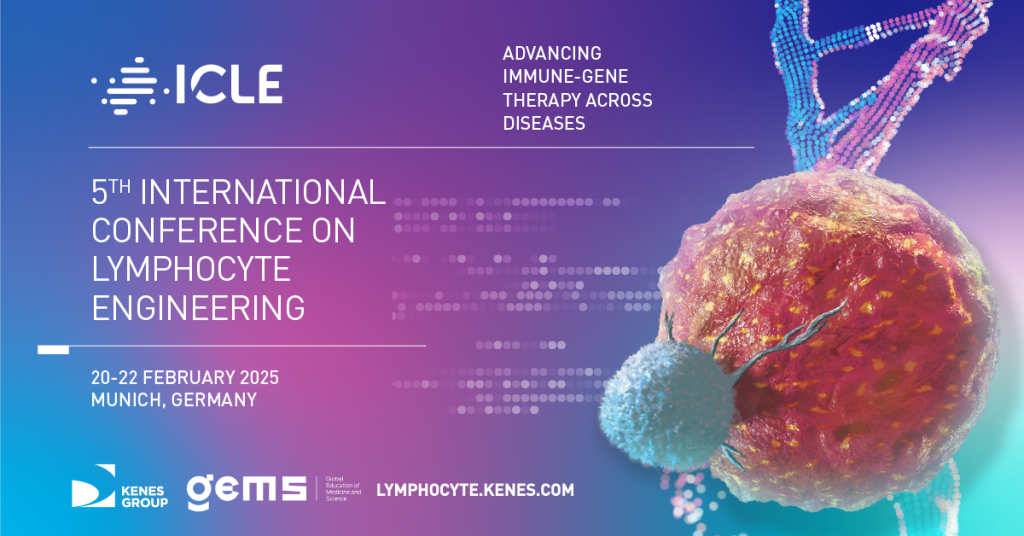
ICLE 2025 and GeneHumdi

ICLE 2025 and COST action GeneHumdi promoting the Future of Lymphocyte Engineering.

22nd February 2025,
Munich, Germany

The 5th International Conference on Lymphocyte Engineering (ICLE) just offered a thriving experience last week, 20th to 22nd February 2025, in Munich, Germany. This pivotal event brought together leading experts in the fields of gene therapy, cell therapy, and immune therapy to explore cutting-edge advancements in lymphocyte engineering. With a focus on innovative technologies such as genome editing, advanced vectorology, and precision protein design, ICLE 2025 addressed critical challenges in treating cancer, autoimmune disorders, infectious diseases, and immune deficiencies. The conference featured keynote speeches by renowned pioneers, including Dr Drew Weissman, Dr Carl June, and Dr Stan Riddell, offering unparalleled insights into the future of medical progress.

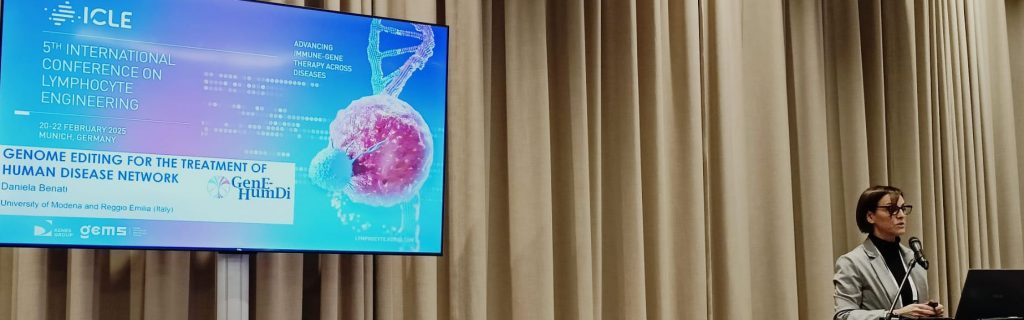
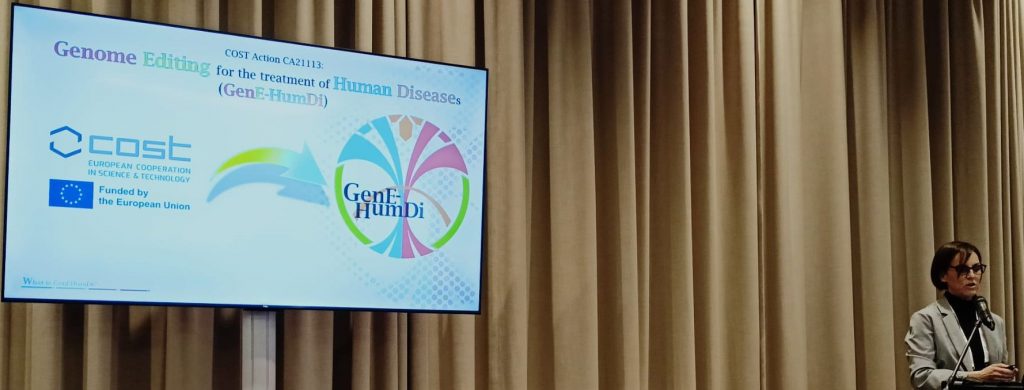
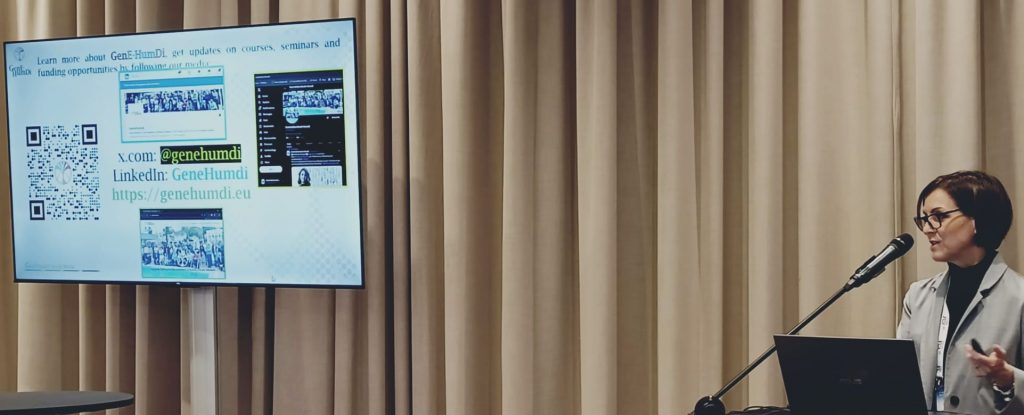
We are proud to highlight the participation of Daniela Benati from the University of Modena and Reggio Emilia, Italy, who was invited to present our COST Action CA21113: Genome Editing for the Treatment of Human Disease Network (GenE-HumDi). Her talk, delivered on Friday, 21st February, showcased the transformative potential of genome editing in addressing unmet medical needs. The success of the network to capacitate genome editing professionals across research, innovation, clinical development, and healthcare. Daniela’s presentation underscored the importance of collaborative efforts in advancing precision gene medicine, emphasizing the role of multidisciplinary networks in driving innovation and showcasing the growth, engagement, and accumulated results of the COST action.

The creation of networks like GenE-HumDi is crucial for the advancement of multidisciplinary therapies, particularly in the field of genome editing. By fostering collaboration among academia, industry, clinicians, and regulatory experts, these networks accelerate the translation of groundbreaking research into clinical applications. Genome editing, with its potential to precisely target and modify genetic material, represents a paradigm shift in treating diseases that currently lack effective therapies. Such networks not only facilitate knowledge exchange but also address shared challenges, ensuring that scientific discoveries are translated into safe and effective treatments for patients worldwide.

We are proud of the synergistic interaction with ICLE 2025 that provided our COST action an excellent audience to broadcast our network and facilitated our members a great opportunity to engage in a cutting-edge scientific forum to advance our shared mission. From Gene-Humdi we are looking forward to further endorsing ICLE’s mission to broadcast the advances in genome editing and the urge to invest in the clinical translation of genome editing technologies in the field of lymphocyte medicine.

GenE-HumDi (COST Action CA21113) is a prime example of such a collaborative effort. Comprising academia and industry scientists, translational researchers, clinicians, regulatory agents, and industry partners, GenE-HumDi is dedicated to improving and translating gene editing protocols for diseases with limited treatment options. The network focuses on enhancing the safety, precision, and efficacy of therapeutic interventions, paving the way for the next generation of precision gene medicine. Through initiatives like GenE-HumDi, the scientific community is taking significant strides toward revolutionizing healthcare and improving patient outcomes.

2025 Course: Optimizing Gene Editing with Advanced Omics: Safety, Off-Target detection, and cell phenotyping

11-14 of March 2025
GENYO Center, Granada (Spain) Update 2025.03.11
Presentation

The Genome Editing to Treat Human Diseases (GenE-HumDi) COST Action (CA21113), chaired by Dr. Karim Benabdellah (Genyo, Spain) and co-chaired by Dr. Alessia Cavazza (UCL, UK), is pleased to announce the next practical training course in its series of genome editing (GE) initiatives.

This training course reflects the commitment of the GenE-HumDi network to foster emerging European scientists in the gene editing field and advance its mission of establishing and sharing gene editing standards to support clinical translation.

Over four days (March 11–14, 2025), leading experts in gene editing and omics technologies will provide participants with theoretical foundations and practical skills for designing, evaluating, and improving genome editing protocols. Attendees will explore the integration of advanced omics tools, including transcriptomics and single-cell analysis, with a specific focus on refining CAR-T therapeutic applications.

The course is planned as a small, face-to-face group format to ensure excellence in training and to nurture international networking among participants.

Topic of the course

The course will cover a range of essential topics aimed at advancing participants’ understanding and skills in gene editing. The course will introduce the integration of omics technologies, including transcriptomics, single-cell analysis, and cytometry, in gene editing protocols, with a focus on improving safety, specificity, and efficiency. Participants will learn methods for assessing off-target effects and enhancing the precision of gene editing tools. The course will delve into the use of single-cell platforms, such as the Mission Bio Tapestri® platform, to perform high-resolution analysis of genome stability, zygosity, and chromosomal translocations. It will also explore advanced applications in CAR-T therapies, with an emphasis on optimizing gene editing in CD4+ and CD8+ subpopulations and understanding the roles of specific subpopulation such as TSCM and TCM cells.

Hands-on workshops will provide practical experience in designing and evaluating Cas9 guide RNAs for therapeutic purposes, while bioinformatics tools will be employed to analyze and interpret data. A guided visit to a GMP-certified facility will offer insights into clinical-grade production processes for gene editing tools. Throughout the course, participants will have ample opportunities for networking and collaboration with experts in the field.

FINAL PROGRAM UPDATED 2025.03.11)

We have worked very hard to make this training school’s GeneHumdi course our best yet. We are very proud of the final program that we can finally share.

Audience

This course is aimed at enhancing the skills of students and early career scientists, with a focus on gene editing technologies. Participants will benefit from hands-on experience and theoretical knowledge in areas such as CRISPR-Cas9, cell culture techniques, omics technologies (e.g., transcriptomics, cytometry), and CAR-T therapies. Previous exposure to gene editing, basic molecular biology, and omics tools will be beneficial, although not mandatory. The course also offers opportunities for personal growth and international networking, helping attendees advance their expertise in a collaborative environment.

Funding Availability

To foster excellence and international networking, GenE-HumDi will select 30 participants to attend the practical course in Granada.

Additionally, a call will be opened to provide funding for up to 14 selected participants, to cover Travel cost and Daily Allowances, in accordance with the COST guidelines  https://www.cost.eu/uploads/2024/11/COST-094-21-V2.0-Annotated-Rules-for-COST-Actions-Level-C.pdf

Travelling

The course will be held in Granada, Spain on March 11th-14th 2025 at the Pfizer-University of Granada-Junta de Andalucía Centre for Genomics and Oncological Research (GENyO). Granada has its own airport located within minutes of the Historic Alhambra Castle, the city center, and the health and technology park where GENyO is located. Granada is close to major travel hubs such as Málaga or Madrid, allowing easy travel to the city by various means of transport: bus, taxi, car, train, and/or high-speed train.

Registration  

If you are interested in attending the training school, please fill out the attached registration form. Don’t hesitate to apply for funding. Be sure to apply early and avoid leaving it to the last minute. The deadline for registration is January 31st.

Support

For Further details visit www.genehumdi.eu  or contact the Action Grant Holder Manager Raquel Soriano, raquel.soriano@juntadeandalucia.es

To follow updates and announces by GenE-HumDI find us on:
 Instagram: @genehumdi
Twitter: @genehumdi
and join our group pages in  Facebook and  LinkedIn

Your data will be used for candidate selection purposes only. By applying you acknowledge these terms. Signing below implies that you accept terms and conditions.

Other Contact Points:

2025 GeneHumdi Call for Short-Term Scientific Missions (STSMs)

This is the 2025 Call for applications for Short-Term Scientific Missions (STSMs) funded by the COST Action CA21113 “Genome Editing to Treat Humans Diseases” (GenE-Humdi) CA21113 is opening January 2025.

Why do we encourage Short-Term Scientific Missions (STSM) within the framework of the GeneHumdi COST Action?

The board of GeneHumdi is pleased to announce the availability of Short-Term Scientific Missions (STSMs) through the COST Action program and encourages researchers to apply. These missions offer researchers the opportunity to conduct short visits to research institutions or laboratories in other COST countries, with the aim of strengthening existing networks and fostering collaboration. STSMs also provide researchers with the chance to learn new techniques or use equipment, data, and/or methods that may not be available in their own institution, while contributing to the scientific objectives of the Action. We strongly urge interested researchers to take advantage of this unique opportunity to expand their scientific knowledge and contribute to the advancement of their respective fields.

Participants in the COST Action program’s Short Term Scientific Missions (STSMs) have a great opportunity to focus their work on research topics that have been highlighted by GenE-Humdi’s 8 Working Groups (WGs) or to introduce new ideas that address the objectives of the project. We encourage researchers to take advantage of this opportunity to enhance their scientific knowledge and contribute to the advancement of their respective fields. (Details on the content and goals of WGs is available in the Action’s Memorandum of Understanding (MoU).

Guidelines for applicants:
  • Individuals are supported financially with travel grants for four Short Term Scientific Missions (STSMs) offered by GenE-Humdi. Grantees are responsible for making their own arrangements for travel, accommodation, and other logistics.
  • STSMs must be completed within the 3rd Grant Period of the Action, which ends in October 2025. While there is no maximum duration for visits, the minimum visit should be at least 5 days, including travel time.
  • The deadline for submitting applications is January 31th, 2025.
  • During this period, STSM grants are awarded up to a maximum of 2,000€. Applicants are encouraged to review the Annotated Rules for COST Actions.
  • The STSM travel grants are open to researchers and innovators who are associated with a legal entity in a COST Full/Cooperative Member, Near Neighbour Country, or European RTD. While all eligible candidates are welcomed, young researchers and innovators under the age of 40 are particularly encouraged to participate.
Application instructions:
  1. To apply for an STSM, applicants must utilize the e-COST management tool. It is mandatory for all applicants to possess an e-COST profile.
  2. To apply for an STSM, the applicant must utilize the e-COST management tool to submit their request. Along with the necessary information provided on the website, applicants are required to upload specific documents in a single PDF file:
  • A brief CV that highlights recent publications.
  • The STSM proposal outlining the research objectives and methodology.
  • The requested budget in euros.
  • A confirmation letter from the host institution.
  • Applicants who require further information on the submission process via the e-COST system can refer to the Grant Awarding User Guide.
  • After completing the STSM, the recipient must submit a brief report outlining the results of their visit. The report must be submitted no later than 30 days following the end date of the STSM, or 15 days after the end of the Grant Period, whichever comes first. It is important to note that if the report is not submitted on time, the grant will be revoked. Once the report has been approved, the grant payment is expected to be processed within 30 days.
Evaluation of applications:

The GeneHumdi Grant Awarding committee will assess each proposal individually and provide an evaluation score based on several factors. These factors include:

  1. The clarity of the proposal.
  2. The degree to which the proposed STSM complements or contributes to the strategic priorities and objectives of the Action as defined in the MoU.
  3. The feasibility of the planned work plan and outputs, and the ability of the STSM applicant to successfully complete the proposed STSM and disseminate relevant outputs.
  4. Members who apply for the first time, and members who did not enjoy STSM previously take priority over past STSM grantees.

It is important that the proposal clearly demonstrates how the proposed STSM will benefit both the applicant and the Action.

The proposal will be categorized based on its evaluation score, within 5 categories:

  1. Poor: (0-25): The proposal will be considered poor if it is unsound, incomprehensive, and lacks clear links to any of the WGs
  2. Fair: (26-50): A proposal with limited understanding, unclear objectives, and weak linkage to at least one Working Group
  3. Good: (51-75): A proposal is one that is well-linked to at least one WG and needs input to develop feasible STSM
  4. Excellent: (76-100): well-thought-out plan with clear feasibility and expected outcomes. It is highly relevant to at least one of the WGs

The top four proposals with the highest scores will be awarded the STSM grants.

Topics

Funded STSM must align with at least one (or more) of the following topics :

2025 Updated Short-Term Scientific Missions (STSM): Preferential Topics

  • 1.    Specificity and Off-Target Prediction in Genome Editing Tools
    • Comparative studies on the specificity of various genome editing tools and advanced methods for off-target prediction and validation.
  • 2.    Omics Studies in Genome Editing
    • Research involving transcriptomics, proteomics, and related omics technologies to explore genome editing mechanisms and effects.
  • 3.    Regulatory Considerations for Human Genome Editing
    • Examination of regulatory frameworks and guidelines, focusing primarily on clinical applications of genome editing.
  • 4.    Clinical Applications of Genome Editing
    • Investigations into the use of genome editing technologies in clinical settings, including therapeutic approaches and translational studies.
  • 5.    Scientific and Medical Assemblies at the EU Commission
    • Participation in assemblies or meetings focused on genome editing within the framework of the European Commission.
  • 6.    Industry Challenges and Regulatory Issues, Including Patent Applications
    • Exploration of challenges in industry, regulatory compliance, and intellectual property protection related to genome editing.
Question and inquiries:

Please contact GeneHumdi:

2nd 2024 GeneHumdi Call for Short-Term Scientific Missions (STSMs)

This is the 2nd Call for applications for Short-Term Scientific Missions (STSMs) funded by the COST Action CA21113 “Genome Editing to Treat Humans Diseases” (GenE-Humdi) CA21113.

Why do we encourage Short-Term Scientific Missions (STSM) within the framework of the GeneHumdi COST Action?

The board of GeneHumdi is pleased to announce the availability of Short-Term Scientific Missions (STSMs) through the COST Action program and encourages researchers to apply. These missions offer researchers the opportunity to conduct short visits to research institutions or laboratories in other COST countries, with the aim of strengthening existing networks and fostering collaboration. STSMs also provide researchers with the chance to learn new techniques or use equipment, data, and/or methods that may not be available in their own institution, while contributing to the scientific objectives of the Action. We strongly urge interested researchers to take advantage of this unique opportunity to expand their scientific knowledge and contribute to the advancement of their respective fields.

Participants in the COST Action program’s Short Term Scientific Missions (STSMs) have a great opportunity to focus their work on research topics that have been highlighted by GenE-Humdi’s 8 Working Groups (WGs) or to introduce new ideas that address the objectives of the project. We encourage researchers to take advantage of this opportunity to enhance their scientific knowledge and contribute to the advancement of their respective fields. (Details on the content and goals of WGs is available in the Action’s Memorandum of Understanding (MoU).

Guidelines for applicants:
  • Individuals are supported financially with travel grants for four Short Term Scientific Missions (STSMs) offered by GenE-Humdi. Grantees are responsible for making their own arrangements for travel, accommodation, and other logistics.
  • STSMs must be completed within the 2nd Grant Period of the Action, which ends in October 2024. While there is no maximum duration for visits, the minimum visit should be at least 5 days, including travel time.
  • The deadline for submitting applications is August 24th, 2024. Notification of decisions will be made by September 9th, 2024.
  • During this period, STSM grants are awarded up to a maximum of 4,000€. Applicants are encouraged to review the Annotated Rules for COST Actions.
  • The STSM travel grants are open to researchers and innovators who are associated with a legal entity in a COST Full/Cooperative Member, Near Neighbour Country, or European RTD. While all eligible candidates are encouraged to apply, young researchers and innovators under the age of 40 are particularly encouraged to participate.
Application instructions:
  1. To apply for an STSM, applicants must utilize the e-COST management tool. It is mandatory for all applicants to possess an e-COST profile.
  2. To apply for an STSM, the applicant must utilize the e-COST management tool to submit their request. Along with the necessary information provided on the website, applicants are required to upload specific documents in a single PDF file:
  • A brief CV that highlights recent publications.
  • The STSM proposal outlining the research objectives and methodology.
  • The requested budget in euros.
  • A confirmation letter from the host institution.
  • Applicants who require further information on the submission process via the e-COST system can refer to the Grant Awarding User Guide.
  • After completing the STSM, the recipient must submit a brief report outlining the results of their visit. The report must be submitted no later than 30 days following the end date of the STSM, or 15 days after the end of the Grant Period, whichever comes first. It is important to note that if the report is not submitted on time, the grant will be revoked. Once the report has been approved, the grant payment is expected to be processed within 30 days.
Evaluation of applications:

The GeneHumdi Grant Awarding committee will assess each proposal individually and provide an evaluation score based on several factors. These factors include:

  1. The clarity of the proposal.
  2. The degree to which the proposed STSM complements or contributes to the strategic priorities and objectives of the Action as defined in the MoU.
  3. The feasibility of the planned work plan and outputs, and the ability of the STSM applicant to successfully complete the proposed STSM and disseminate relevant outputs.

It is important that the proposal clearly demonstrates how the proposed STSM will benefit both the applicant and the Action.

The proposal will be categorized based on its evaluation score, within 5 categories:

  1. Poor: (0-25): The proposal will be considered poor if it is unsound, incomprehensive, and lacks clear links to any of the WGs
  2. Fair: (26-50): A proposal with limited understanding, unclear objectives, and weak linkage to at least one Working Group
  3. Good: (51-75): A proposal is one that is well-linked to at least one WG and needs input to develop feasible STSM
  4. Excellent: (76-100): well-thought-out plan with clear feasibility and expected outcomes. It is highly relevant to at least one of the WGs

The top four proposals with the highest scores will be awarded the STSM grants.

Topics

Funded STSM must align with at least one (or more) of the following topics:

  • Topic 1: Mapping the existing endonuclease-Independ platforms (EIP) and their potential output in different applications, efficacy, specificity of the available endonucleases independent GE tools.
  • Topic 2: Mapping the existing endonuclease platforms (EIP) and their potential output in different applications, efficacy, specificity of the available endonucleases independent GE tools.
  • Topic 3: Delivery methods used for GE of the different cell types that are used for clinical applications. non-viral systems, based on ribonucleoparticles (RNP) or plasmids, are the ex vivo systems of choice to deliver the GE complex into the target cells.
  • Topic 4: Delivery methods used for in vivo GE in different animal models and in clinical settings. Including comparison of efficacy and specificity data for different GE tools delivered by different methods in each tissue/organ of interest.
  • Topic 5: The establishment of a standardized pipeline for the unbiased identification and quantification of CRISPR off-target sites for therapeutic applications.
  • Topic 6: Assessment of recombination events in gene editing approaches
  • Topic 7: Comparison of the different constrains in the HDR-mediated gene editing in the most primitive HSPCs, and how the HDR may be enhanced.
  • Topic 8: The evaluation of different GE strategies to target Hematopoietic stem cells in Fanconi anaemia cells in vitro, the sickle cell disease and beta-thalassemia, collagen VI deficiency and Emery Derfuss muscular dystrophy.
  • Topic 9: Market research study and competitive analysis on gene editing based medicines including the following tasks: (i) Market opportunity. Target niche; (ii) Definition of targeted market, sales by category (product, territory, class and market share (sales peak, defining at least three different scenarios), positioning, market drivers and barriers.
  • Topic 10: The analyse of regulatory requirements for the commercialization of gene editing based medicines.
Question and inquiries:

Please contact GeneHumdi:

#GeneHumdi2024STMS

Do you want to give a boost to your Genome Editing project abroad?
Are you an enthusiastic student/young investigator from an EU member country?
Would you like to embrace an international experience supervised by a top GenEd scientist?


COST Action CA21113, Genome editing for the treatment of human disease: Gene-Humdi, is opening the 2024 call for Short Term Scientific Missions Soon. We provide funding opportunities for short stays in laboratory across EU. This year we also feature support for Inclusiveness Target Countries and or Near Neighbor Countries. You can prepare by learning more about our mission at www.genehumdi.eu or looking for a suitable mentor among our amazing members listed HERE.

2024.03.05 UPDATE

As now the first call for STMS applicants is Open!!

STSM stands for Shor Term Scientific Mission, which means we want you to live the most exciting scientific experience of your carrer so far.

STMS offer the possibility to grow as a scientist, experience and learn excellence in research by the hand of any of our outstanding members. Polish your communicative abilities and contribute to the advance of our scientific community.

STMS will ask from you to present a thorough proposal, to explain the research that you perform, to become a relevant member contributing to the mission of our COST Action CA23113 network.


Please refer to the guidelines for more info.:
https://drive.google.com/file/d/1eaQHq96aC9BjnKhoadYz24sNRbgvTdlV/view?usp=drive_link