
🌟 GenE-HumDi Coordinated CRISPRMED26 Workshops! 🌟
Dear GenE-HumDi Members,
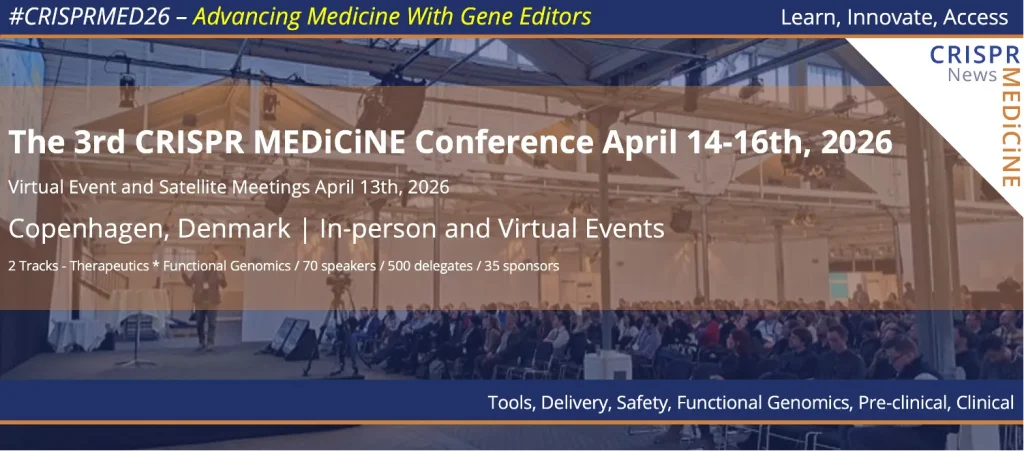
We support early career and young researchers in the field of therapeutic Gene Editing. For this reason, we are very excited to announce that we will be supporting selected young members attending the CRISPRMED26 Conference and enrolled in the CRISPRMED26 Workshops, co-organized by GenE-HumDi (COST action CA21113) and CRISPR MEDICINE NEWS (CRISPRMED) as part of the CRISPRMED’26 conference.
The CRISPRMED26 workshops offer students an interactive opportunity to acquire critical applied knowledge and skills that will expand their profile in the gene-editing field. With a limited number of 30 places per workshop, we focus on delivering high-quality, interactive workshops in which you can learn by doing instead of just listening.
📚 Workshop Topics And FacilitATors
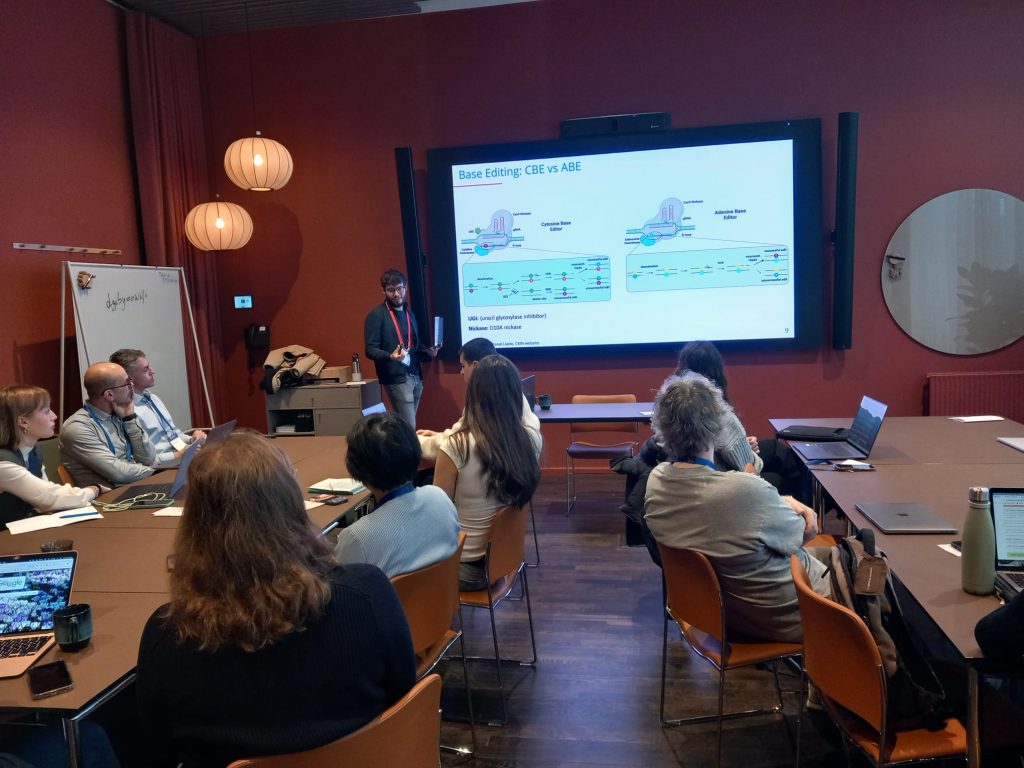
Tools: Choosing the Right Gene-Editing Approach
Dr. Claudio Mussolino, (Universitaetsklinikum Freiburg. Germany)
Dr. Raúl Perez-Jimenez, (Ikerbasque Research Professor. Spain)
Dr. Antonio Carusillo, (Università di Modena e Reggio Emilia. Italy)
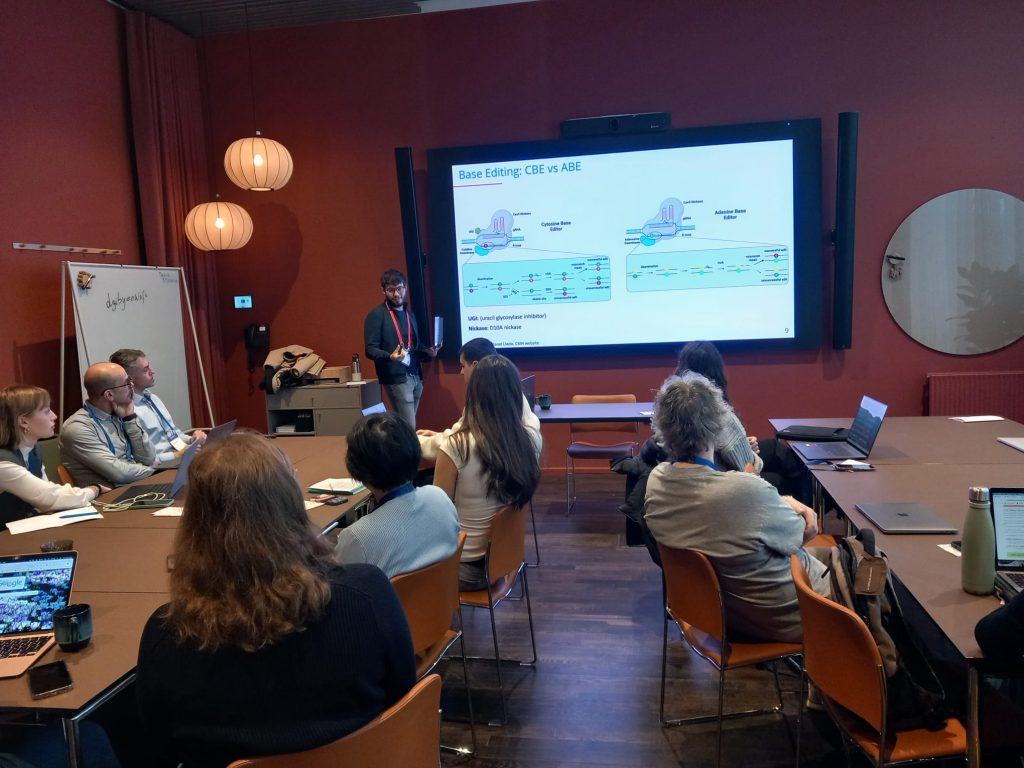
The workshop will start with an introduction to various genome-editing technologies highlighting their mechanisms, advantages, and limitations.
We will also discuss recent developments in genome-editing tools, focusing on those DSB-free and with demonstrated therapeutic potential, such as base- and prime editing. Next, we will cover criteria for selecting the appropriate genome-editing tool based on the targeted disease and present case studies of therapeutic applications.
We will emphasise that different diseases require distinct genome-editing strategies depending on the aim, such as gene replacement, gene restoration, or gene insertion.
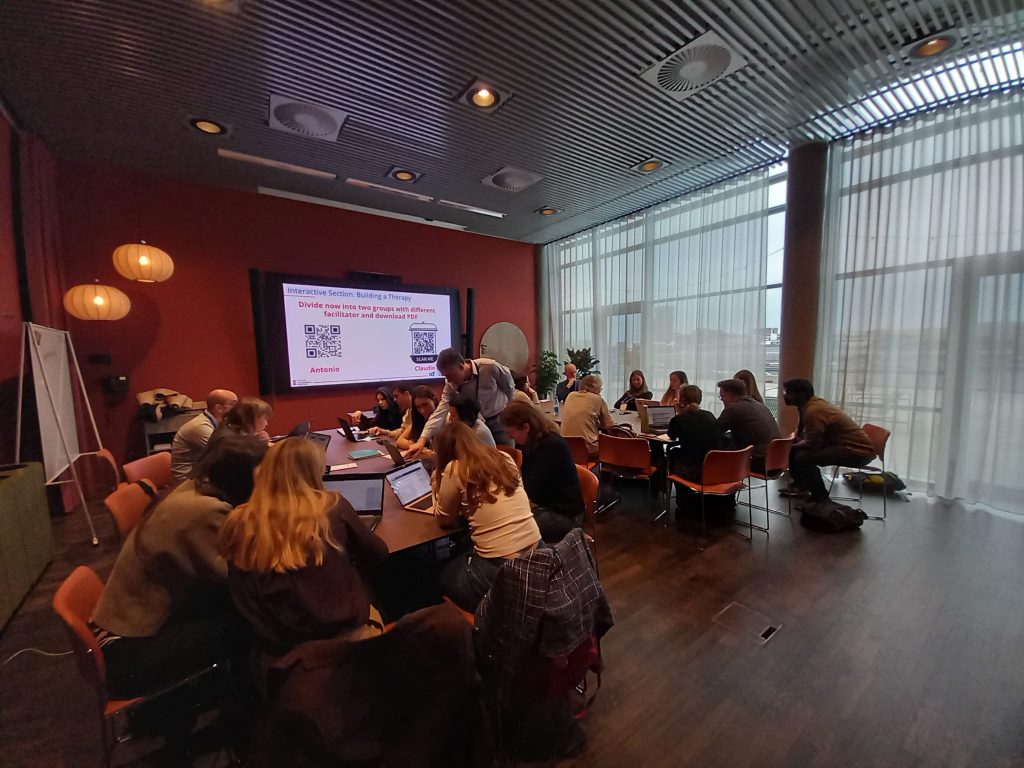
The workshop will include a hands-on session with practical demonstrations and group activities to design genome-editing experiments. Finally, we will address ethical and safety considerations, emphasising regulatory guidelines and best practices.
The workshop will be highly interactive, with Q&A sessions throughout, pausing at key points for discussion.
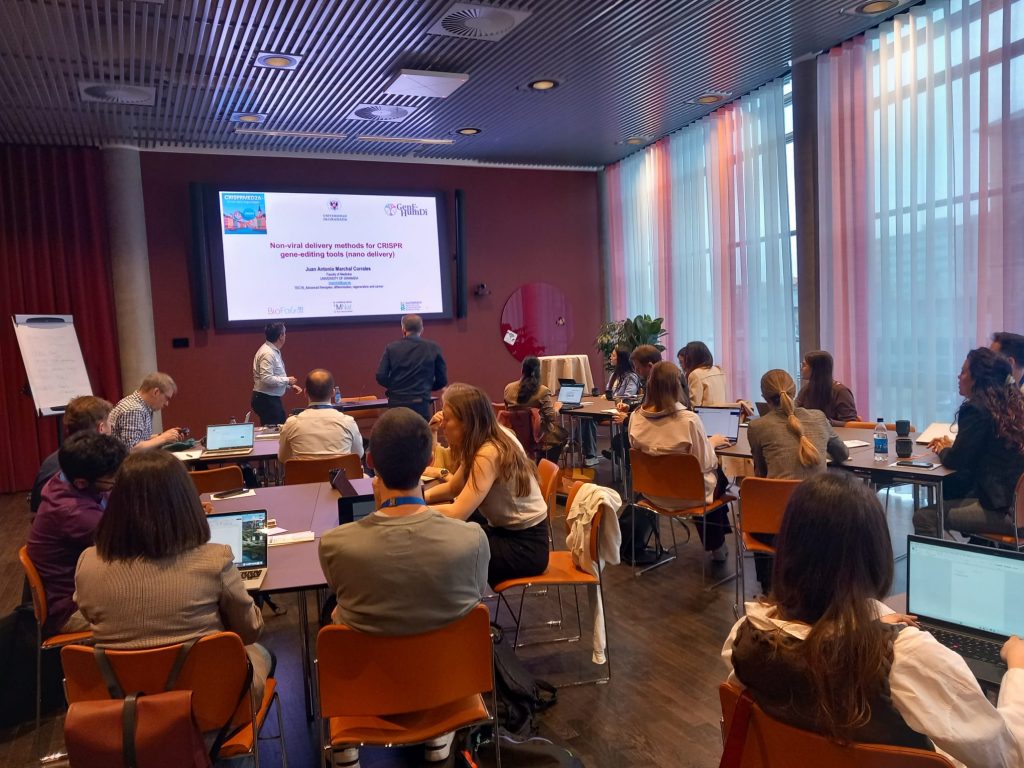
Delivery: Navigating the CRISPR Delivery Landscape
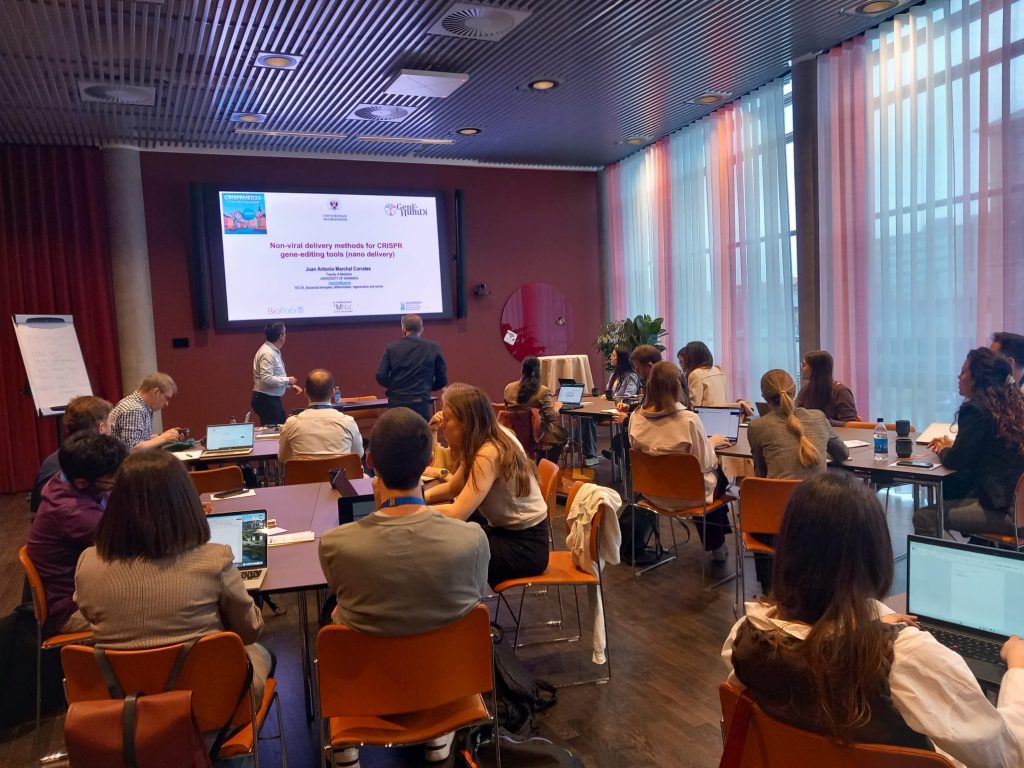
Dr. Juan Antonio Marchal, (University of Granada.Spain)
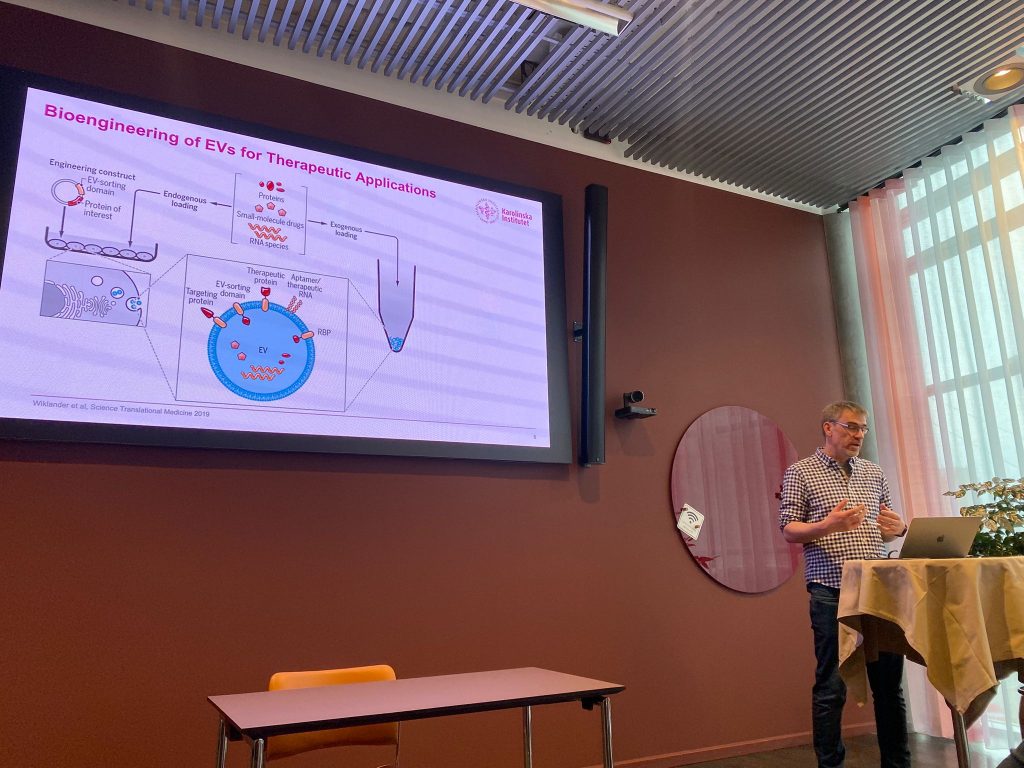
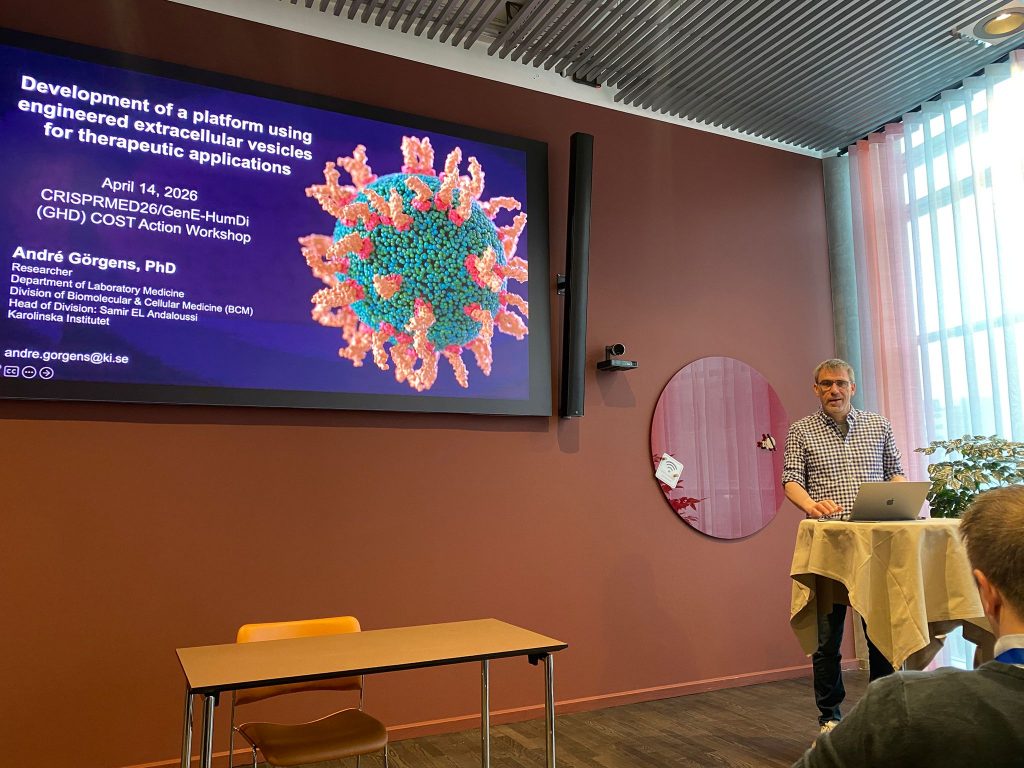
Dr. André Görgens, (Karolinska Institutet | Department of Laboratory Medicine, Division of Biomolecular and Cellular Medicine. Sweden)
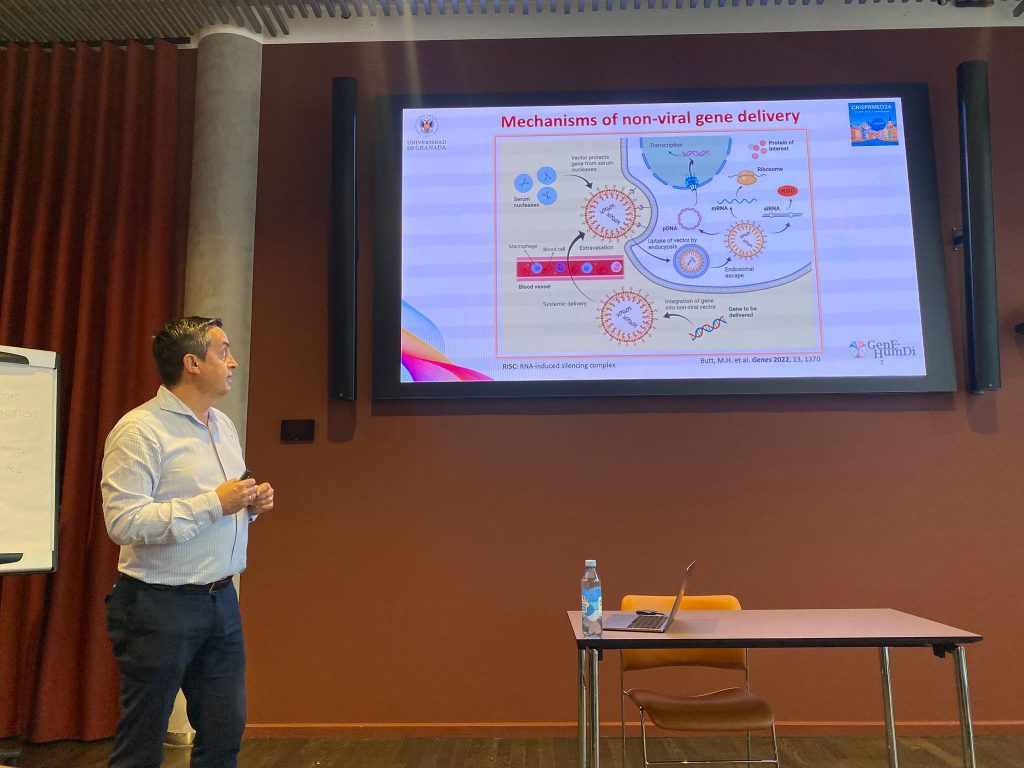
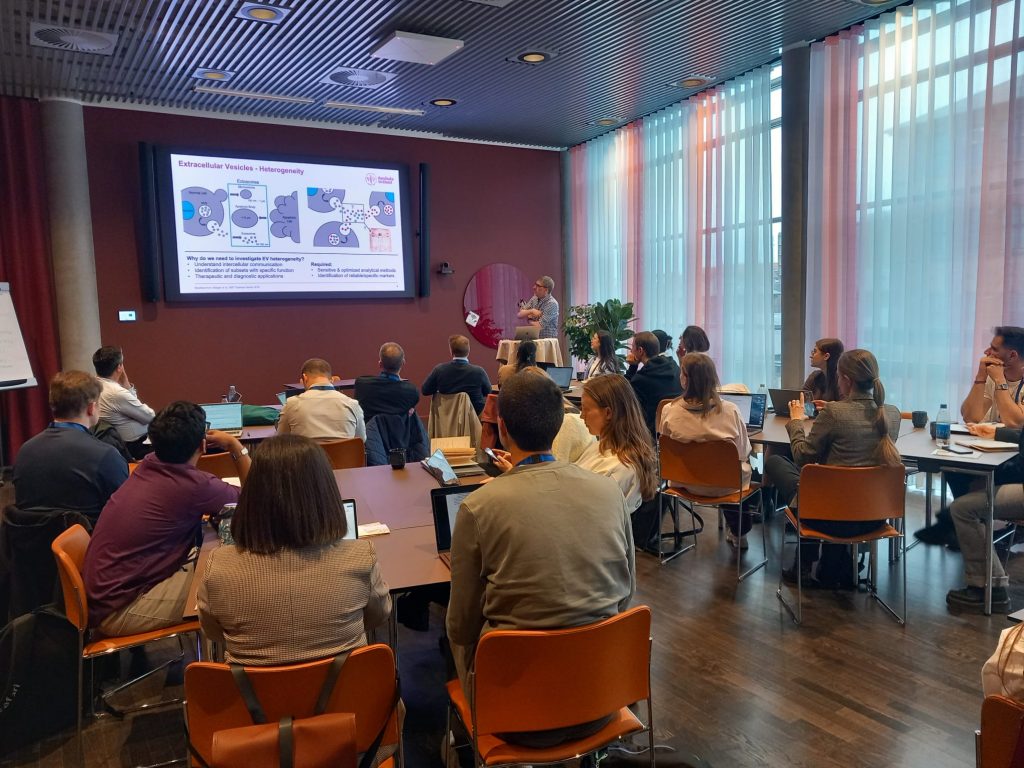
This workshop will focus on navigating the current landscape of viral- and non-viral delivery methods for CRISPR gene-editing tools.
The session will provide the participants a broad and comparative introduction on the various delivery methods available for the different CRSPR gene-editing tools, their advantages and disadvantages.
Importantly, the workshop will try to achieve a comprehensive understanding on how to select the right delivery tool for a specific CRISPR gene editing in cells to achieve high efficacy, the so-called “CRISPR-Delivery-Cell, CDC” match-making procedure.
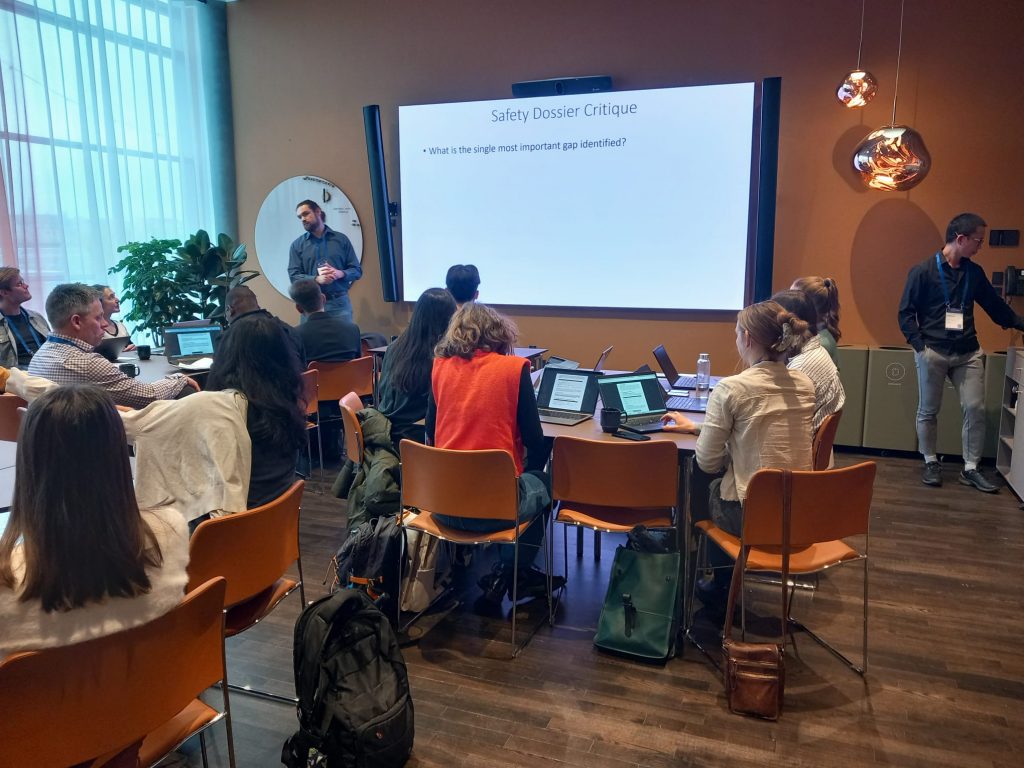
Safety: Pre-clinical Safety Analyses
Dr. Ciaran Lee PhD (University College Cork. Ireland)
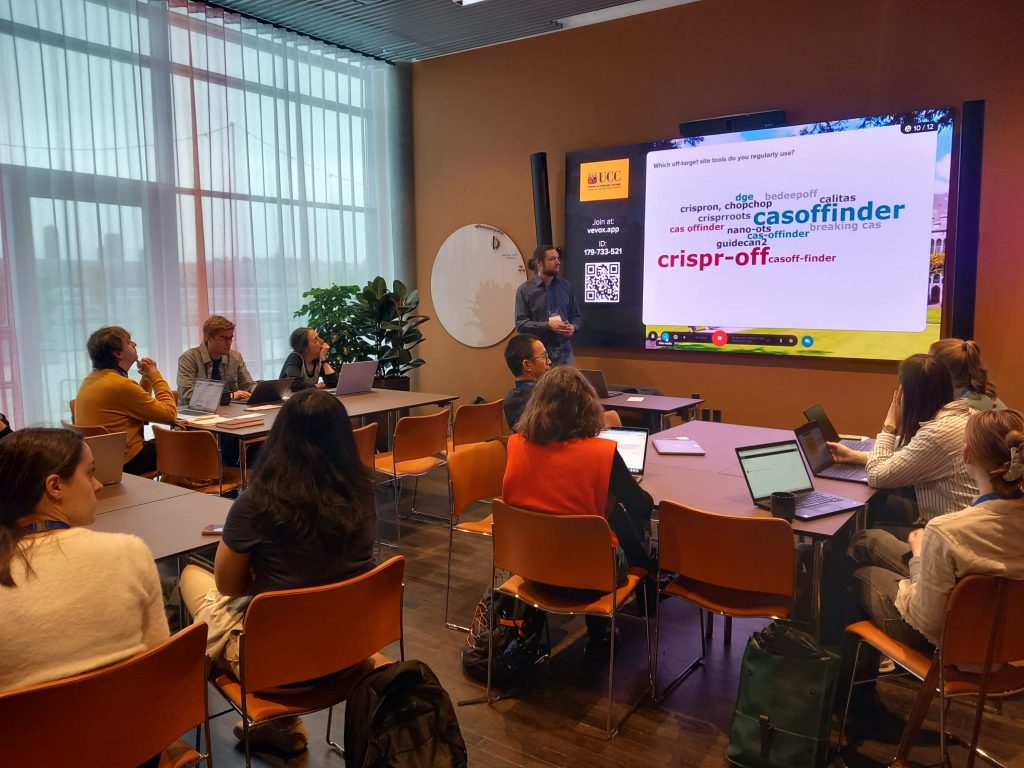
This workshop will focus on the side effects derived from the use of genome editors. The session will address the risks associated with the unspecific activity of CRISPR-based platforms, which can impact both the safety and efficacy of gene-editing approaches. Participants will gain a comprehensive understanding of the different types of potential genotoxic events and of the different methods available to monitor unintended genomic modifications, including those aligned with regulatory guidelines:
– Off-target activity of genome editors
– Genotoxicity: on- and off-target aberrations
– Off-target evaluation methods
– Mitigation strategies
– Hands-on basic training on specificity prediction
📝 SuCCESS
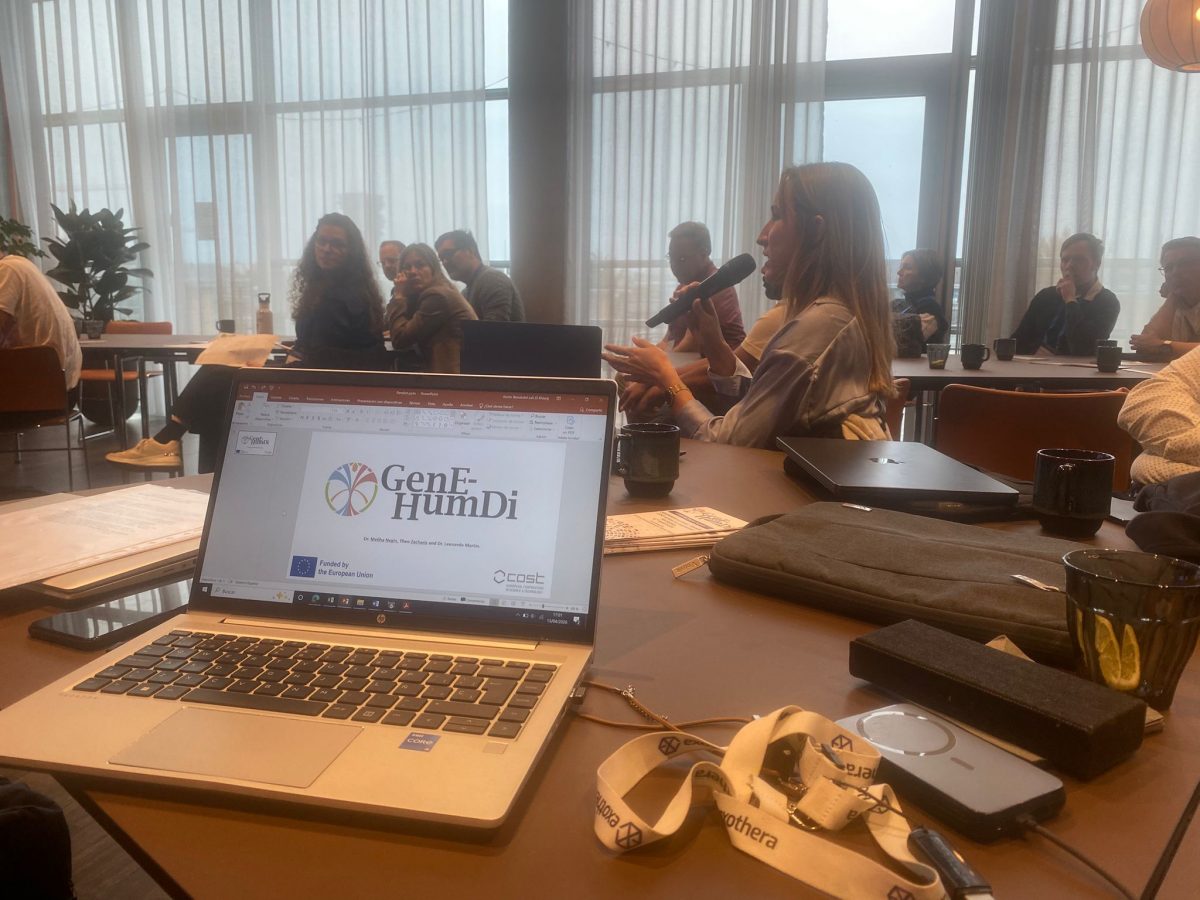
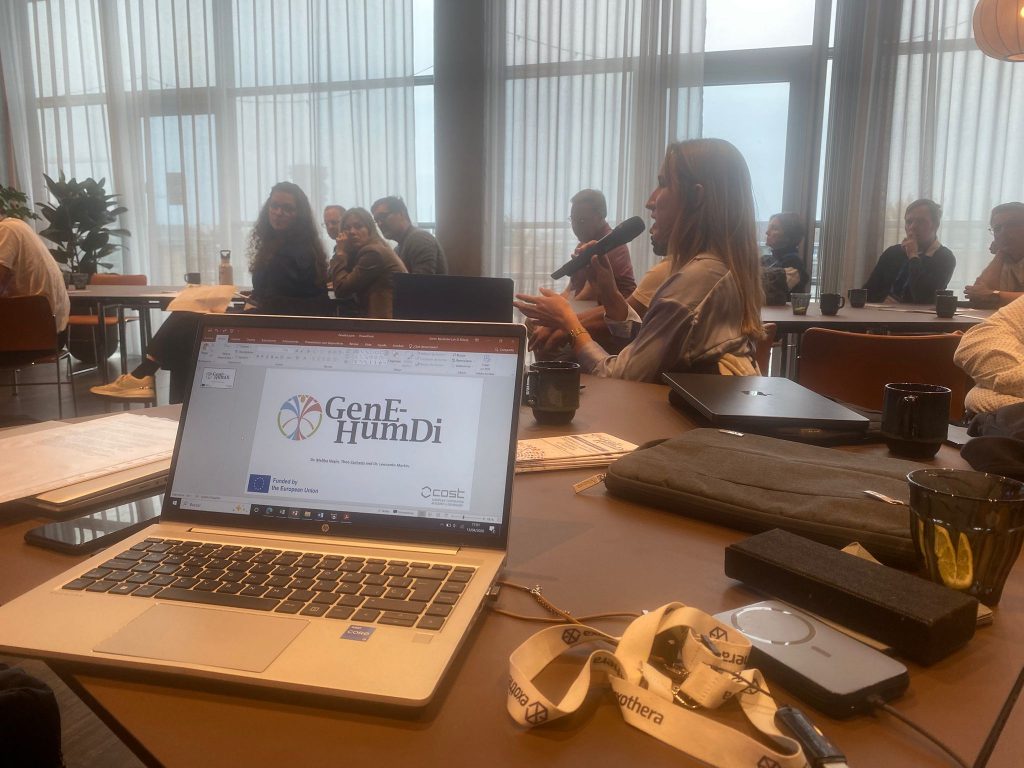
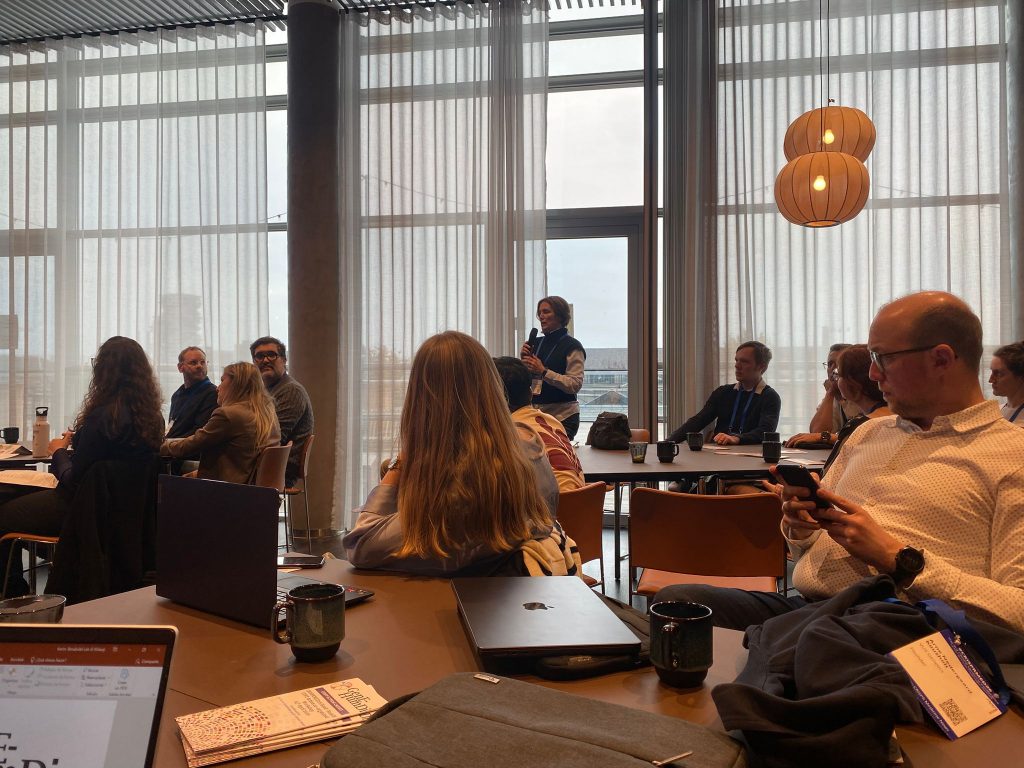
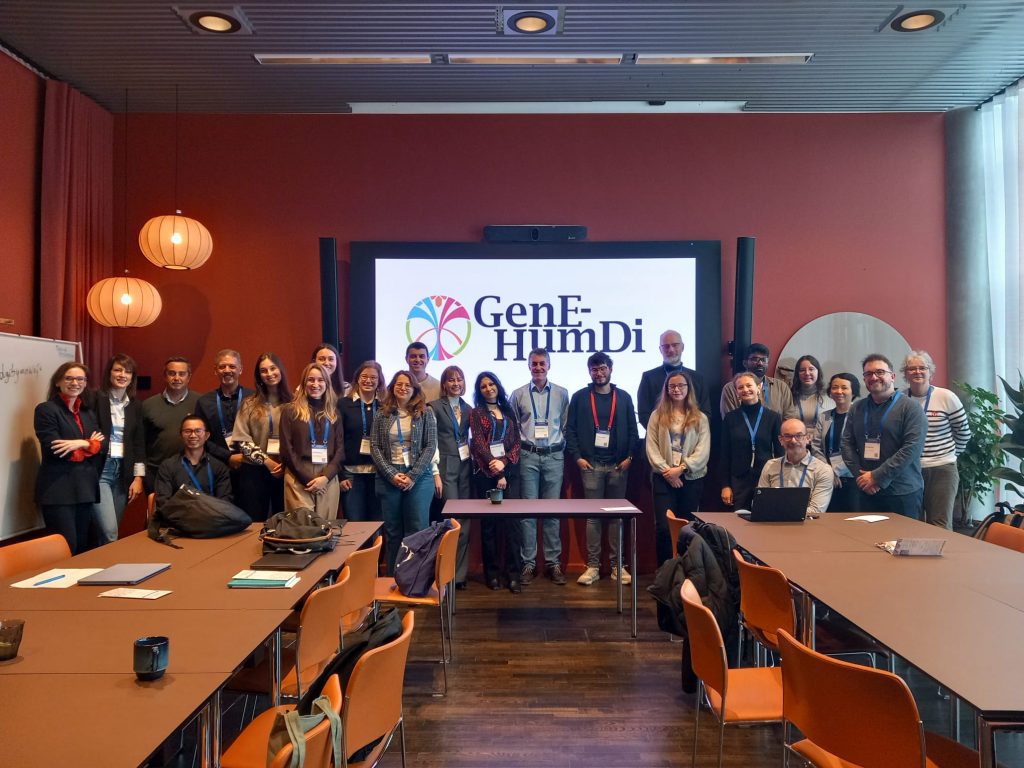
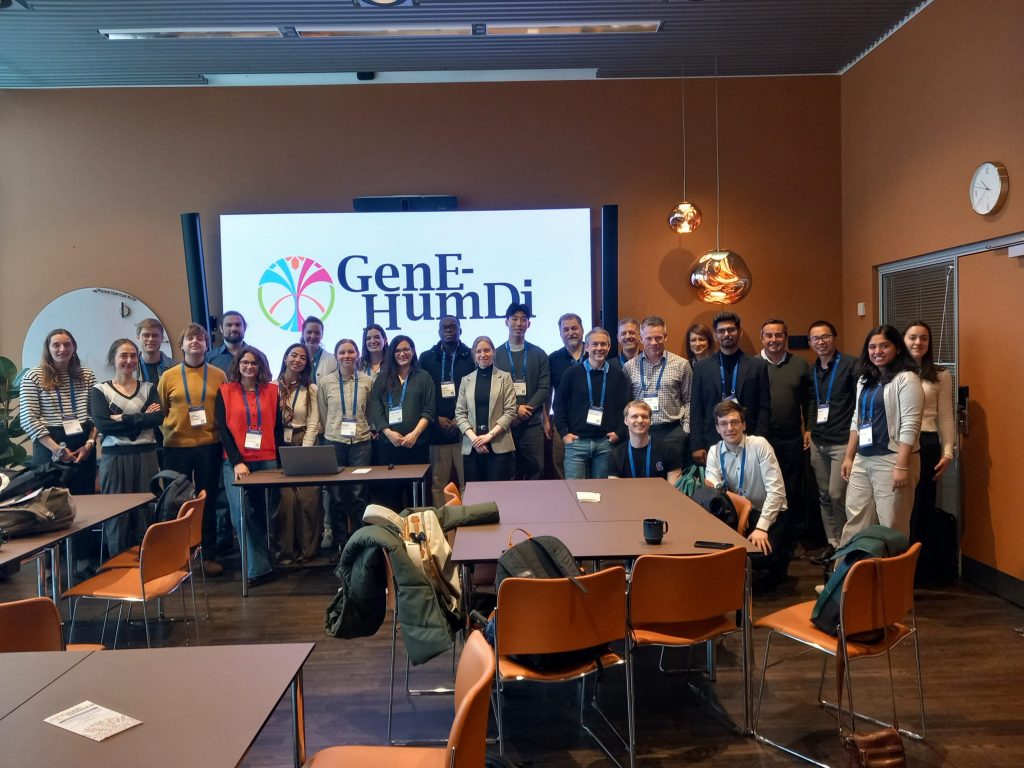
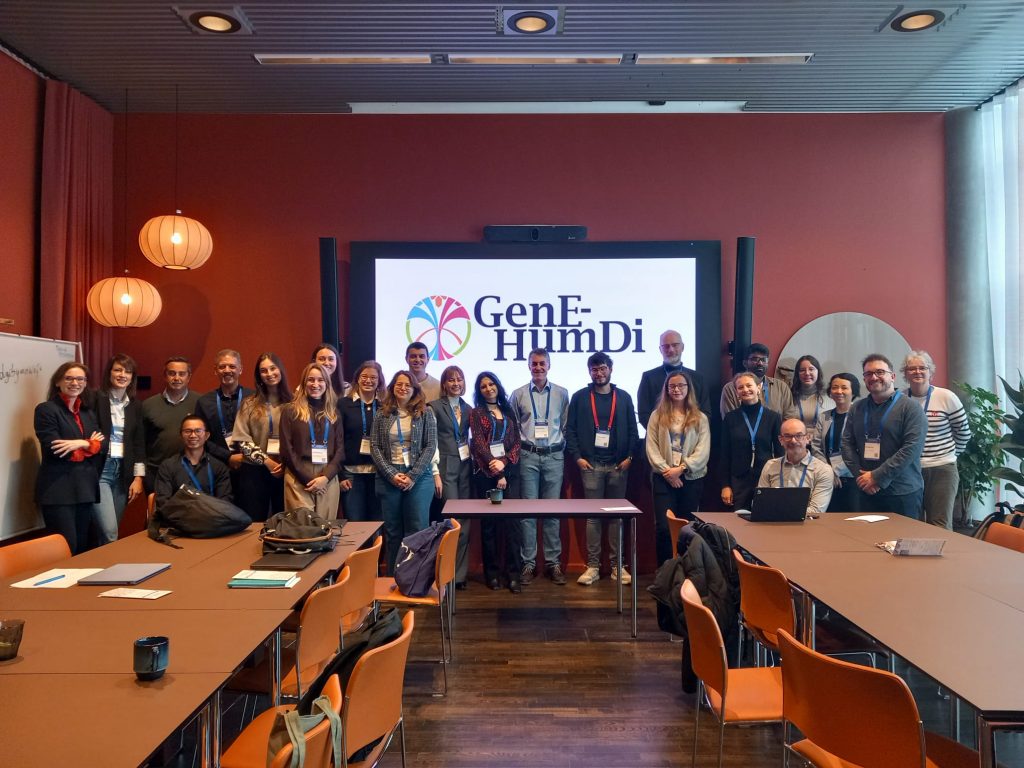
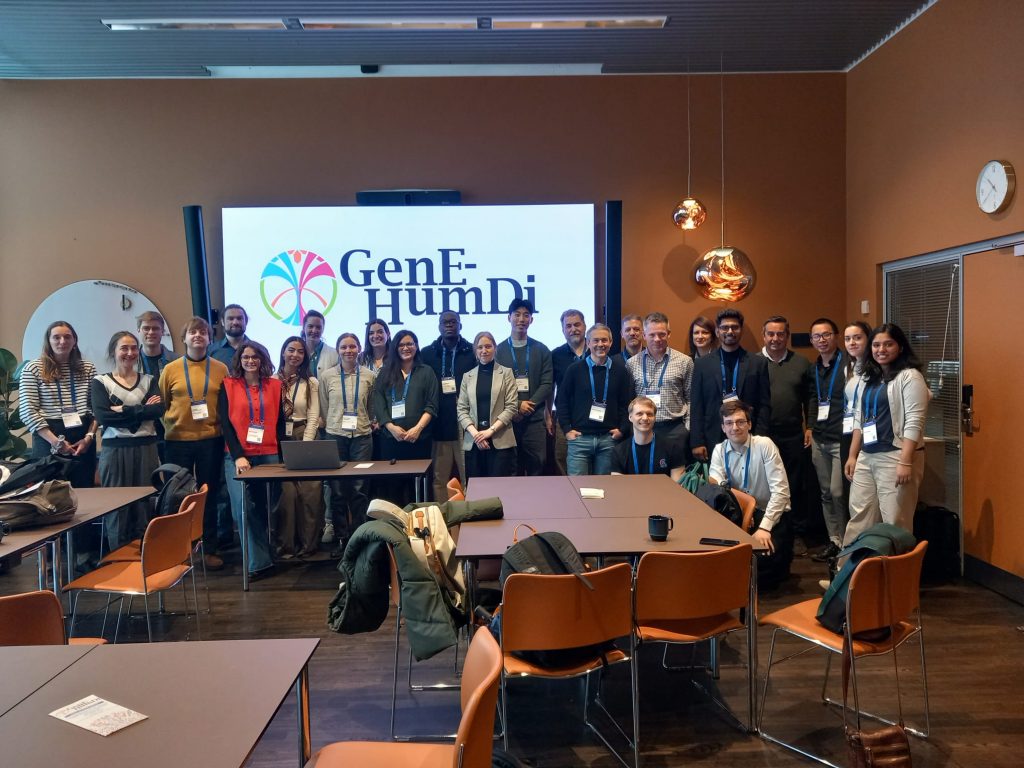
Close to a hundred young researchers and experts participated of these workshops to update and bring cutting edge genome editing. Researchers highlighted the possibilities and capabilities of state of the art technologies and also put their performance on the spotlight to realize the need for detailed selection on genome editing tools and delivery strategies and current limitations predicting safety based solely on bio models.
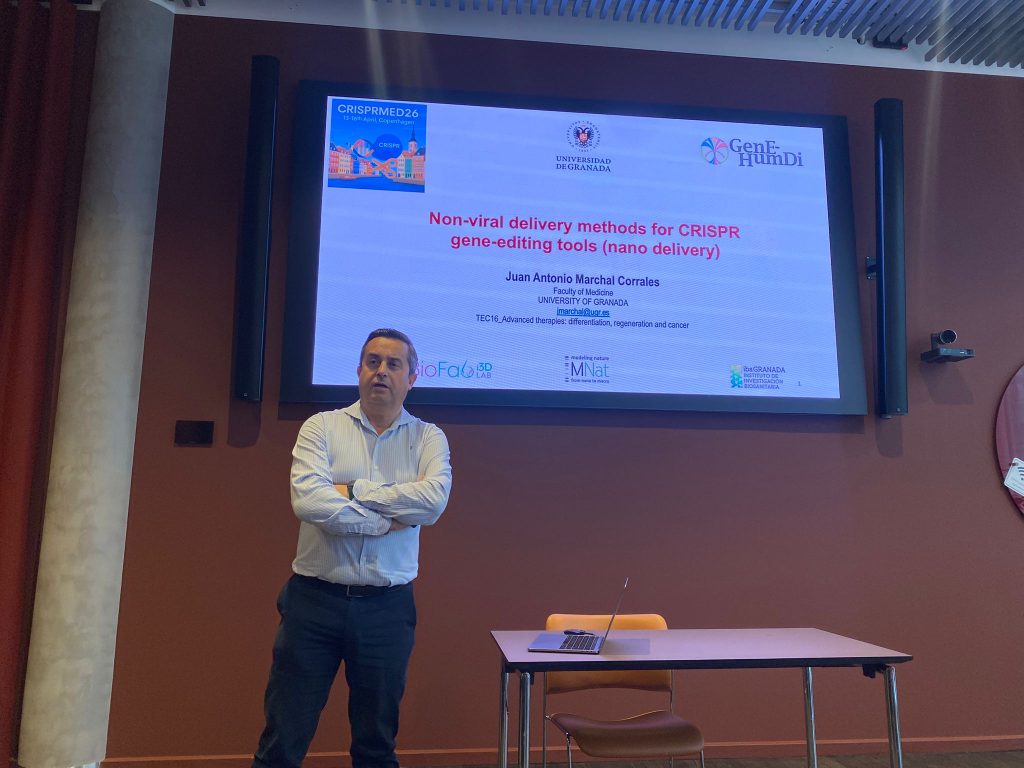
Picture Credits : Karim Bebadellah .Copenhagen, April 14th 2026
Picture Credits : Karim Bebadellah .Copenhagen, April 14th 2026